What R-Value Means for a Warmer, Drier, More Efficient Basement
R-value is a number that shows how well insulation slows down heat flow. The higher the R-value, the better the material resists heat moving in or out of your basement. In simple terms, strong insulation with the right R-value keeps your basement warmer in winter and cooler in summer. When paired with proper basement insulation, it improves comfort, lowers energy bills, and helps control moisture.
What You Need to Know Before Choosing an R-Value
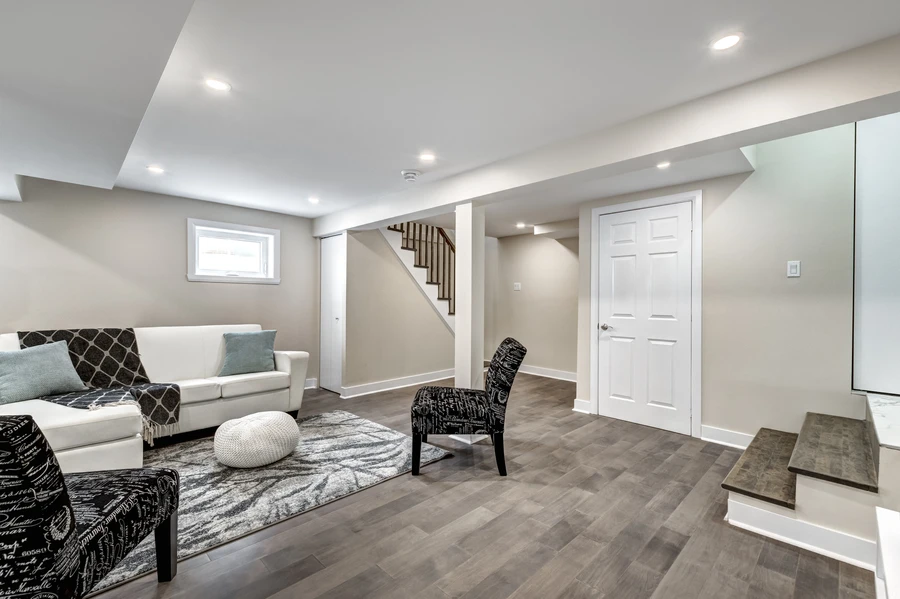
Before adding or upgrading basement insulation, you need to know a few basics. Not all basements need the same R-value. Climate, wall type, and moisture levels all play a role.
- Your climate zone affects how much insulation you need.
- Concrete walls lose heat faster than framed walls.
- Wet or damp basements need moisture control first.
- Local building codes may require a minimum R-value.
For example, homes in colder states often need higher R-values to reduce heat loss. Warmer regions may require less. If you skip this step, you may under-insulate or overspend.
How R-Value Improves Basement Thermal Performance
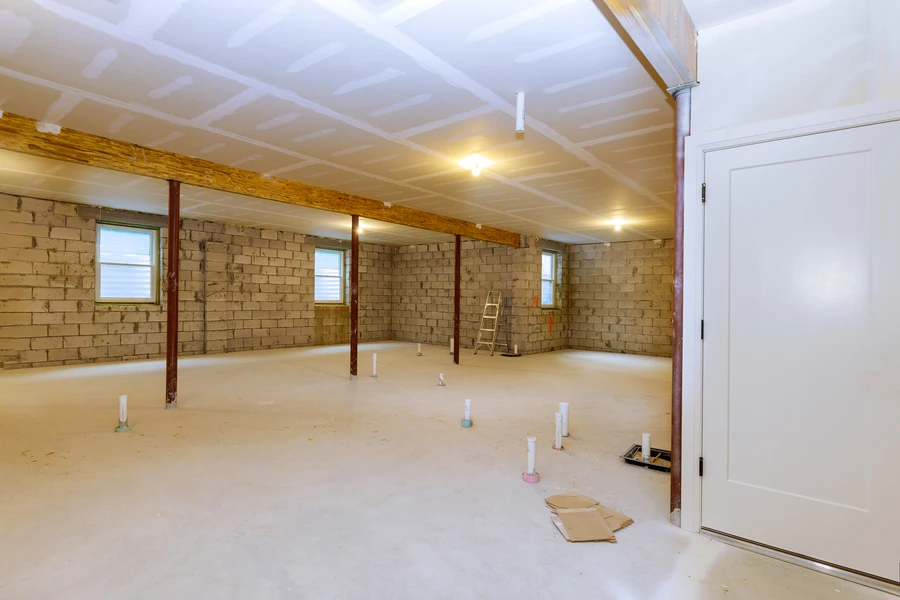
Thermal performance refers to how well your basement holds a steady temperature. Basements sit below ground, which helps with some insulation. But concrete and block walls still allow heat to pass through.
Here is how proper basement insulation with the right R-value improves performance:
- Reduces heat loss in winter. Warm air stays inside instead of escaping through the walls.
- Keeps hot air out in summer. Your cooling system works less.
- Controls moisture buildup. Insulated walls are less likely to collect condensation.
- Improves comfort. Floors above the basement feel warmer.
- Lowers energy use. Heating and cooling systems run less often.
Even adding rigid foam board with a moderate R-value can make a big difference in how the space feels.
Common R-Value Mistakes Homeowners Make
Picking insulation is not just about choosing the highest number on the shelf. Many homeowners make simple errors.
- Adding insulation over wet walls.
- Ignoring air gaps and cracks.
- Using fiberglass batts directly against concrete.
- Forgetting to insulate rim joists.
- Blocking needed ventilation.
For example, fiberglass placed against bare concrete can trap moisture. That moisture can lead to mold or musty smells. Rigid foam or spray foam products often perform better against masonry surfaces.
Another mistake is leaving small gaps untreated. Even high R-value insulation will not work well if air leaks around it.
When to Call a Professional
Some insulation projects are simple. Others require experience and planning. You may want expert help if:
- Your basement has water leaks or past flooding.
- You see mold or strong odors.
- You plan to finish the basement as living space.
- You are unsure what R-value meets code.
- You want spray foam installation.
A professional can inspect the space, check moisture levels, and recommend the right R-value for your home. They can also connect insulation upgrades to other improvements like air sealing and ventilation.
This is even more important if you are turning your basement into a bedroom, office, or family room. Comfort and air quality matter more when the space is used daily.
Final Recommendation and Next Steps
If your basement feels cold, damp, or uncomfortable, the R-value of your insulation may be too low or missing altogether. Upgrading basement insulation is one of the most effective ways to improve thermal performance and lower energy costs over time.
Homeowners in Elgin, IL often deal with changing seasons and temperature swings that affect below-grade spaces. At Energy Plus Insulation, we evaluate existing insulation, recommend the right R-value for your home, and handle the installation from start to finish. Call us at (847) 250-2220 to schedule an inspection and learn how we can improve your basement’s comfort and efficiency.