How Proper Insulation Helps Stop Moisture Problems at the Source
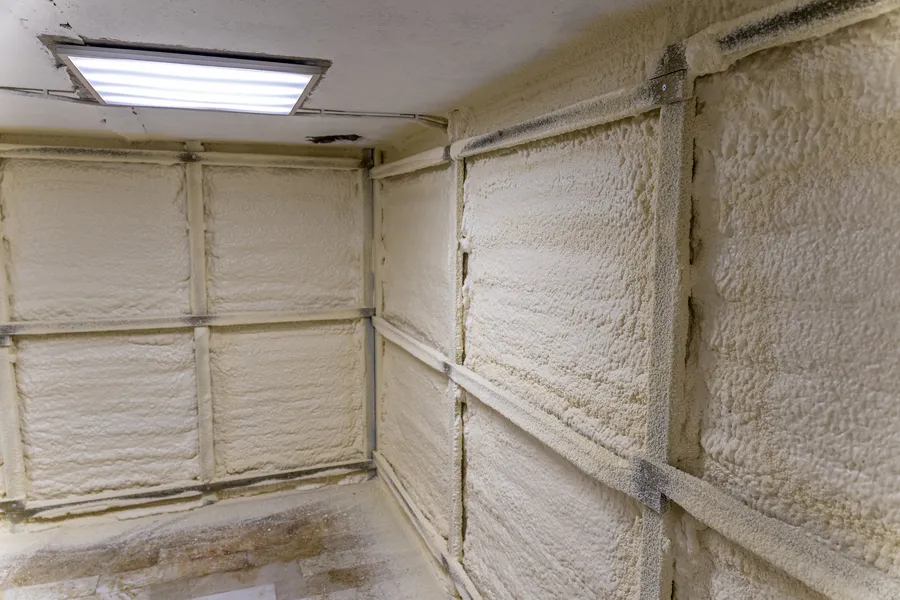
Moisture control with spray foam insulation works by sealing gaps and cracks where humid air sneaks in and where condensation forms. When air leaks are blocked, water vapor cannot collect inside walls, ceilings, or crawl spaces. This helps prevent mold growth, wood rot, and musty smells. In homes across the country, excess moisture often starts with poor insulation and hidden air leaks.
Why Prevention Matters
Moisture problems rarely start big. They begin with small air leaks or damp areas that go unnoticed. Over time, trapped humidity can lead to warped wood, peeling paint, and even damage to framing. Mold can grow in as little as 24 to 48 hours in a damp space.
Spray foam insulation helps stop this cycle early. It expands after application and fills hard-to-reach spaces. That tight seal keeps outside humidity from entering and stops indoor air from escaping into cooler cavities where condensation can form.
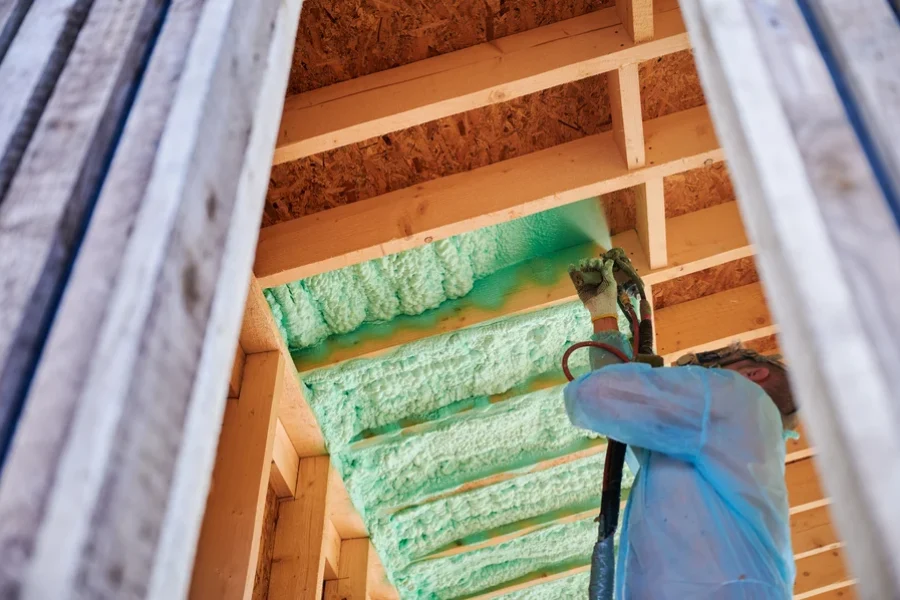
When moisture is controlled, your home feels more comfortable. You may also see lower energy bills since your heating and cooling system does not have to fight against air leaks.
Early Warning Signs of Moisture Issues
You do not always see water dripping from a ceiling. Many signs are subtle at first. Catching them early can save money and stress.
- Musty or damp smells in certain rooms
- Peeling paint or bubbling drywall
- Cold, damp walls in winter
- Condensation on windows
- Visible mold spots in corners or near baseboards
If you notice these signs, the issue may be air movement inside the walls or attic. Spray foam insulation can help by sealing those hidden pathways.
Seasonal and Routine Checklist
Moisture control should be part of your regular home care plan. Each season brings different risks.
- Inspect the attic each spring for damp insulation or dark spots on wood.
- Check crawl spaces for standing water or wet soil.
- Look around windows and doors for drafts during colder months.
- Monitor indoor humidity levels. Aim for 30 to 50 percent.
- Have insulation checked if you notice uneven room temperatures.
If your home has older fiberglass or cellulose insulation, it may not block air movement well. Spray foam insulation acts as both insulation and an air barrier. That dual purpose makes it effective for moisture control.
Best Practices for Long-Term Results
Good moisture control takes more than just adding material to a wall. The goal is to seal the building envelope. This includes attics, rim joists, crawl spaces, and wall cavities.
Closed-cell spray foam insulation is often used in areas that face high humidity or risk of water exposure. It adds strength to walls and resists water absorption. Open-cell foam works well for indoor walls and sound reduction while still helping manage airflow.
Ventilation also plays a key role. Bathrooms, kitchens, and laundry rooms need working exhaust fans. Without proper ventilation, warm moist air stays inside and finds its way into hidden spaces.
Finally, small repairs matter. Fix roof leaks, plumbing drips, and foundation cracks quickly. Even the best insulation system cannot solve active water leaks.
What Not to Do
Some homeowners try quick fixes that do not solve the real issue.
- Do not simply paint over mold.
- Do not block vents without reviewing airflow needs.
- Do not mix different insulation types without a plan.
- Do not ignore minor condensation problems.
Adding more traditional insulation on top of damp material can trap moisture inside. That may make mold growth worse. Spray foam insulation should be installed on dry, clean surfaces for best results.
When to Schedule Professional Help
If you see widespread mold, strong odors, or signs of structural damage, it is time to call a professional. A trained team can inspect hidden cavities using proper tools. They can identify where air leaks lead to moisture build-up.
Homes with ongoing humidity problems, especially in basements or crawl spaces, often benefit from a full moisture control plan. This may include air sealing, insulation upgrades, and improved ventilation. Acting early keeps small concerns from becoming major repairs.
Protect Your Home in Elgin, IL
If you are dealing with damp rooms or hidden moisture in Elgin, IL, we can help you find the source and stop it for good. At Energy Plus Insulation, we install spray foam insulation to create a tight seal that protects homes year-round. Call us at (847) 250-2220 to schedule an inspection and learn how we can improve your home’s comfort and moisture control.