A Simple Upgrade That Keeps Your Home Warmer in Winter and Cooler in Summer
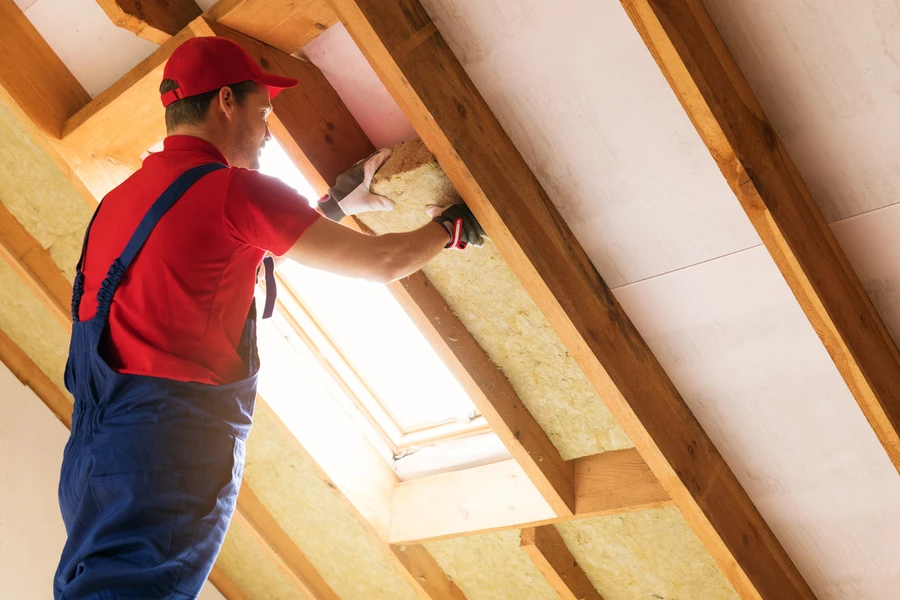
Upgrading your attic insulation is one of the fastest ways to improve home comfort. It helps keep warm air inside during winter and blocks heat during summer. When your attic is properly insulated, your rooms feel more even in temperature, your energy bills often drop, and your HVAC system does not work as hard.
What You Need Before Starting
Before adding or replacing attic insulation, you need to know what you are working with. Start by checking the type and depth of your current insulation. Many older homes have fiberglass batts or loose-fill material that may have settled over time.
You will also need:
- A measuring tape to check insulation depth
- A flashlight for better visibility
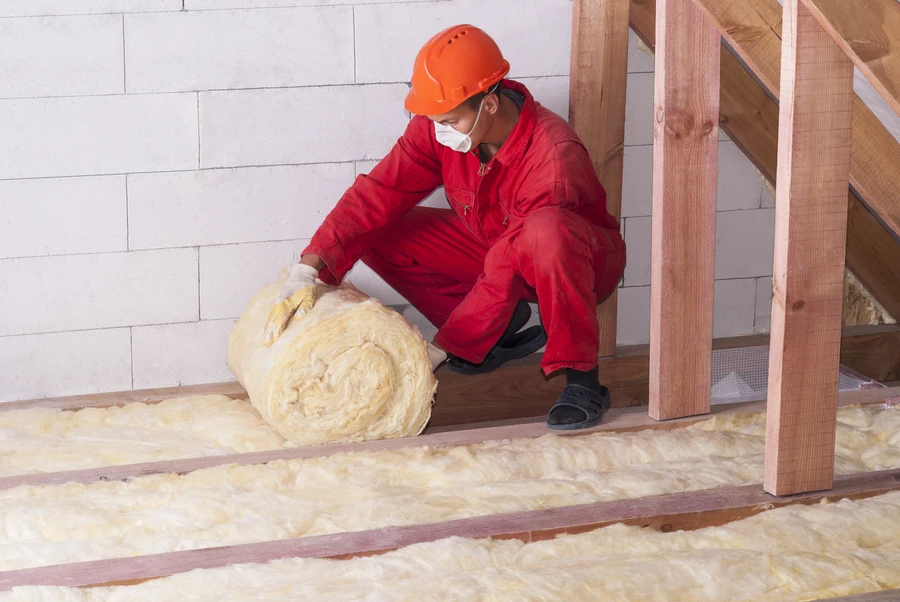
- Protective gear like gloves, long sleeves, and a dust mask
- A stable ladder
It also helps to know your home’s recommended R-value. The R-value measures how well insulation resists heat. The higher the number, the better it performs.
Step-by-Step Process to Upgrade Attic Insulation
If you are planning a basic upgrade, here is a simple path to follow:
- Inspect the attic. Look for gaps, thin spots, or exposed ceiling joists. Check for signs of moisture or mold.
- Seal air leaks first. Use caulk or spray foam around vents, wiring holes, and plumbing openings. This step makes a big difference.
- Measure existing insulation. Compare the depth with the recommended level for your climate zone.
- Add more insulation if needed. You can lay fiberglass batts across joists or blow in loose-fill material.
- Keep vents clear. Do not block soffit or ridge vents. Airflow is needed to prevent moisture issues.
Many homeowners choose blown-in attic insulation for even coverage. It fills small gaps better than batts and works well over existing material.
Common Mistakes to Avoid
A few simple mistakes can reduce the benefits of your upgrade.
- Skipping air sealing before adding insulation
- Compressing fiberglass batts, which lowers their R-value
- Blocking attic vents
- Ignoring signs of water damage
Another common problem is uneven coverage. If some areas are thick and others are thin, your home can still have hot and cold spots. Taking time to spread insulation evenly makes the effort worthwhile.
When to Call a Professional
Some attic insulation upgrades are simple. Others are better left to trained crews. If your attic has mold, pests, damaged wiring, or very old insulation, it is smart to get expert help.
Homes with tight access or complex rooflines can also be harder to handle. Professionals have equipment to blow in material evenly and safely. They also know how to meet local building codes and ventilation standards.
If your energy bills remain high even after upgrades, the issue may go beyond insulation. In that case, a full attic inspection can uncover hidden air leaks or duct problems.
Final Recommendation and Next Steps
Attic insulation is a practical way to improve home comfort without major remodeling. Start by checking what you already have, seal air leaks, and add material to reach the right R-value. Small upgrades can bring noticeable results. If you want reliable, long-lasting performance in your home in Elgin, IL, we are ready to help. At Energy Plus Insulation, we handle attic insulation upgrades with care and attention to detail, and you can call us at (847) 250-2220 to schedule an inspection or get honest advice for your next step.