Simple Steps to Make Your Basement Warmer and More Energy Efficient
To improve basement thermal performance, you need to stop heat loss and control moisture at the same time. That usually means sealing air leaks, adding the right insulation to walls and rim joists, and checking for water issues before you start. When done the right way, a better-insulated basement feels warmer, costs less to heat, and helps the rest of your home stay comfortable.
What You Need Before Starting
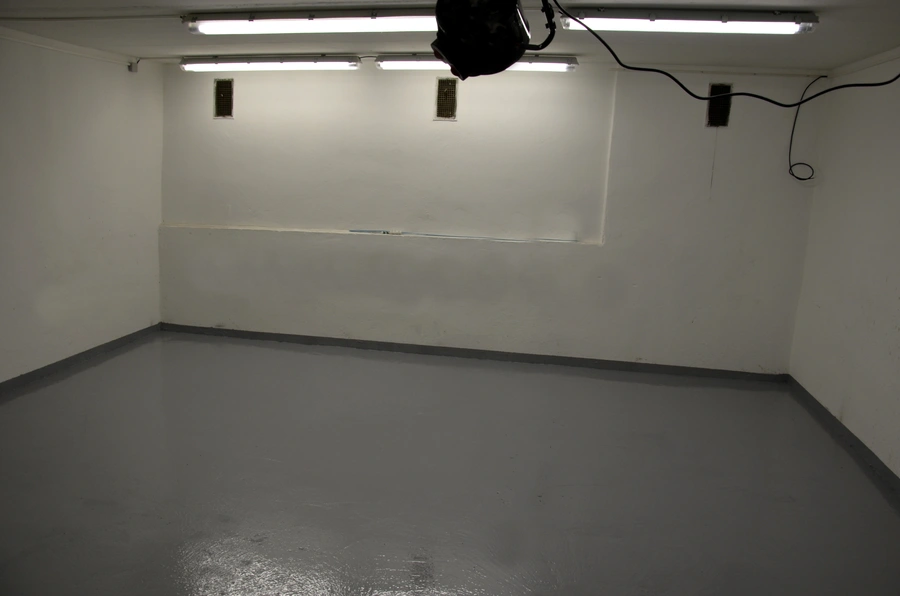
Before adding basement insulation, take time to inspect the space. Look for signs of water leaks, mold, or cracks in the foundation. Insulation should never hide a moisture problem. Fix those issues first.
You will also need a few basic tools and materials:
- Caulk or spray foam for sealing gaps
- Foam board or batt insulation rated for below-grade walls
- Rigid foam or spray foam for rim joists
- Utility knife and straight edge
- Protective gloves and mask
If your home uses framing and drywall in the basement, check what is already inside the walls before adding more material.
Step-by-Step Process to Improve Thermal Performance
Follow these steps for better results and long-term comfort.
- Seal air leaks first. Check around pipes, vents, windows, and the rim joist. Use spray foam or caulk to seal all small gaps.
- Insulate the rim joist. This area often loses the most heat. Cut rigid foam to fit each cavity and seal the edges.
- Add wall insulation. Install foam board directly against concrete walls or use batt insulation in framed walls. Foam board adds a thermal break and reduces condensation.
- Cover with a thermal barrier if needed. Many building codes require drywall over foam for fire safety.
- Check basement floors. If the floor feels very cold, adding insulated subfloor panels can improve comfort.
Each step builds on the one before it. Skipping air sealing can reduce the benefits of your new insulation.
Common Mistakes to Avoid
Basement spaces behave differently than above-ground rooms. Moisture moves through concrete and can get trapped behind insulation.
Avoid these common problems:
- Installing insulation over wet walls
- Using fiberglass batts directly against bare concrete
- Blocking foundation vents without proper planning
- Forgetting to insulate the rim joist
- Ignoring local building codes
Fiberglass works well inside framed walls, but it should not sit directly against concrete without a moisture barrier. Rigid foam or spray foam usually performs better in that location.
How Insulation Improves Energy Efficiency
Heat naturally moves from warm areas to cold ones. In winter, heat escapes through basement walls and rim joists. In summer, warm outdoor air can make the basement damp and uncomfortable.
By upgrading basement insulation, you reduce heat flow and stabilize indoor temperatures. That helps your heating and cooling system run less often. Over time, that can lower energy use and reduce wear on equipment.
This upgrade works even better when combined with other energy improvements like air sealing in the attic or upgrading old windows.
When to Call a Professional
Some basement projects are simple. Others need expert guidance. You may want professional help if:
- Your basement has active water leaks
- You see signs of mold growth
- You plan to finish the basement with drywall
- Your home is older and lacks vapor control
- You are unsure about building code rules
A trained team can recommend the right basement insulation materials for your climate and foundation type. They can also integrate the project into a larger insulation system so your home performs as one unit instead of separate parts.
Practical Tips for Homeowners in Cold and Mixed Climates
If you live in a place with cold winters, basement wall insulation makes a big difference. Concrete walls can pull heat from the house. Adding rigid foam with a solid R-value helps keep the interior warmer.
In mixed climates, moisture control becomes just as important as warmth. Vapor retarders and sealed foam layers help limit condensation during seasonal shifts.
Even small upgrades, like insulating the rim joist and sealing cracks, can noticeably improve comfort in rooms above the basement.
Get Expert Help Improving Your Basement Comfort
If your basement feels cold, damp, or drafty in Elgin, IL, we can help you plan the right solution. Our team at Energy Plus Insulation installs basement insulation systems that improve comfort and energy performance year-round. Call us at (847) 250-2220 to schedule an inspection and let us upgrade your space with solutions that fit your home’s needs.