A Warmer Home With Fewer Drafts and Lower Heating Stress
Spray Foam Insulation improves cold climate comfort by sealing air leaks, blocking drafts, and holding heat inside your home. In freezing weather, small gaps in walls and attics let warm air escape. That makes rooms feel cold even when the heat is on. By expanding and filling cracks, spray foam creates a tight seal that keeps indoor air warm and steady.
What You Need Before Getting Started
Before adding any insulation, you should know where your home loses heat. The most common spots are:
- Attics and roof lines
- Crawl spaces and basements
- Exterior walls
- Areas around windows and doors
- Rim joists and small wall gaps
You also need to know what type of insulation is already in place. Old fiberglass batts may be thin or out of place. Wet or damaged insulation will not hold heat well. In very cold areas, air sealing matters just as much as insulation depth. Spray Foam Insulation works well because it handles both jobs at once.
How It Works Step by Step
Here is how Spray Foam Insulation improves comfort during cold winters:
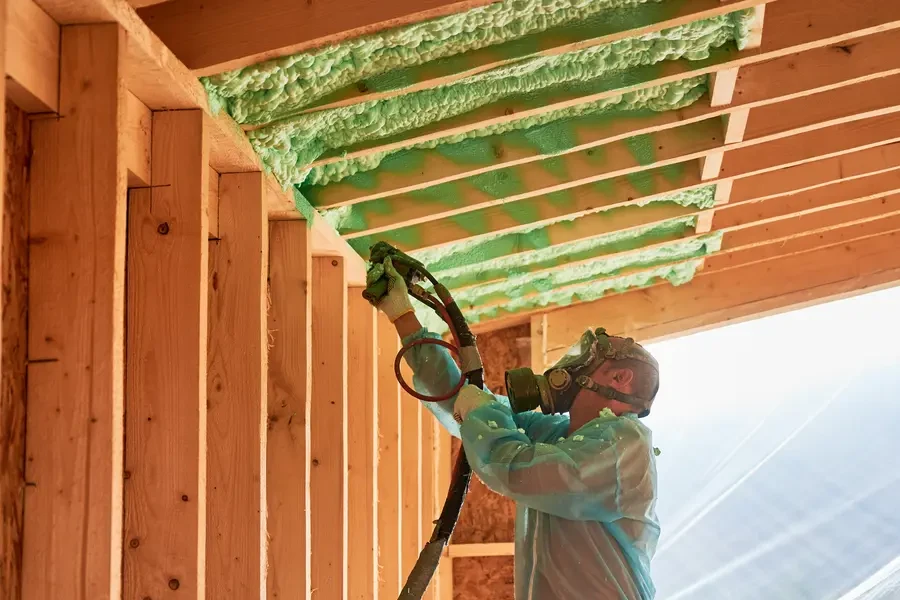
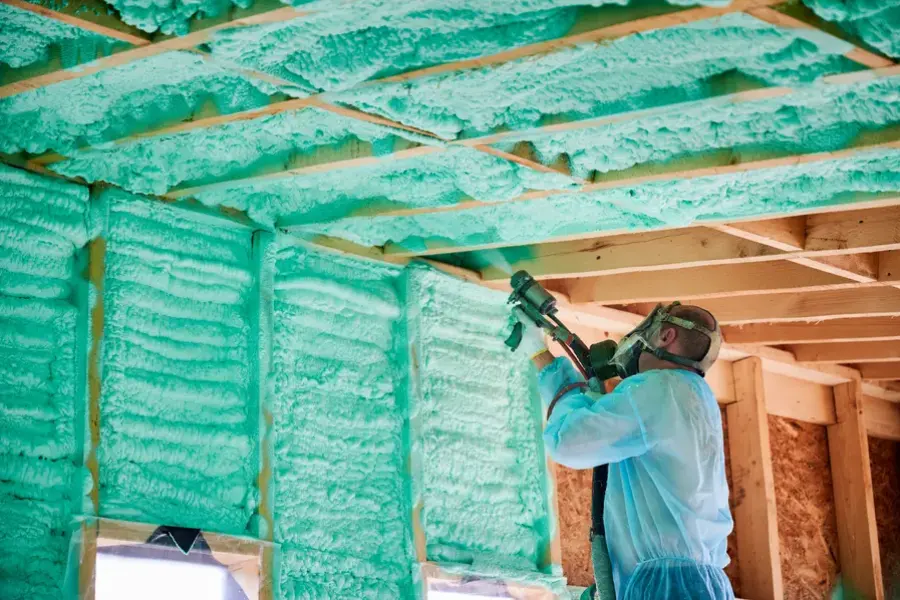
- Liquid foam is sprayed into open wall cavities or attic spaces.
- The foam expands within seconds.
- It fills cracks, seams, and small openings.
- The foam hardens into a solid, insulated barrier.
- This barrier blocks airflow and slows heat transfer.
In cold climates, warm air rises. Without proper insulation, that warm air escapes through the attic. This is called the stack effect. Spray foam seals the attic floor or roof deck, stopping this heat loss. As a result, indoor temperatures stay more even from floor to ceiling.
Closed-cell foam also adds a moisture barrier. Cold climates often mean ice, snow, and condensation. By limiting moisture movement, the foam helps protect wood framing and reduces the chance of mold growth.
Common Mistakes to Avoid
Not all insulation jobs are equal. Here are mistakes that reduce comfort gains:
- Spraying too little material
- Missing small cracks around framing
- Ignoring attic ventilation needs
- Covering recessed lighting without proper protection
- Trying to insulate without sealing major air leaks first
Another common issue is mixing different insulation types without a plan. Spray foam changes how air and moisture move through a house. If it is added in one area but not balanced in another, rooms may feel uneven. Planning the full system matters.
When to Call a Professional
Small weatherstripping jobs can be done by homeowners. Full spray foam installation is different. The material must be mixed and applied at the right temperature. Protective gear is also required during installation.
You should call a professional if:
- Your home has large draft problems
- Energy bills spike every winter
- Rooms above the garage feel freezing
- Ice dams form on your roof
- Your attic has uneven or damaged insulation
A trained crew can inspect problem areas and recommend the right thickness and foam type. They can also check for hidden gaps that are easy to miss.
Why It Makes Such a Big Difference in Cold Weather
Cold air is dense and heavy. It pushes into any weak spot in your building shell. At the same time, warm air inside tries to escape. This constant air movement forces your furnace to run longer.
Spray Foam Insulation stops this cycle by creating a tight seal. That means:
- Fewer drafts near floors and walls
- More even temperatures between rooms
- Less strain on heating equipment
- Quieter indoor spaces
Many homeowners notice that their house feels warmer even when the thermostat stays the same. That is because comfort is not only about temperature. It is also about controlling air movement.
The Bottom Line for Cold Climate Homes
If you live in a region with long winters, insulation is not just about energy savings. It is about daily comfort. Spray Foam Insulation seals gaps, reduces heat loss, and helps manage moisture. When installed correctly, it creates a strong thermal barrier that supports steady indoor temperatures all season long.
Get Help With Your Insulation Upgrade
If your home in Elgin, IL feels cold each winter, we are ready to help. At Energy Plus Insulation, we install spray foam systems designed for harsh temperatures and lasting comfort. Call us at (847) 250-2220 to schedule an evaluation and learn how we can make your home warmer and more efficient.