The Simple Link Between Your Crawl Space and the Air You Breathe
Crawl space insulation improves indoor air quality by blocking moisture, mold, and outside air from moving up into your home. Air from the crawl space can rise into your living areas through small gaps in floors and walls. If that lower space is damp or dirty, the air inside your home can smell musty and feel heavy. By sealing and insulating the crawl space, you help keep harmful particles out and fresher air in.
What You Need Before Starting
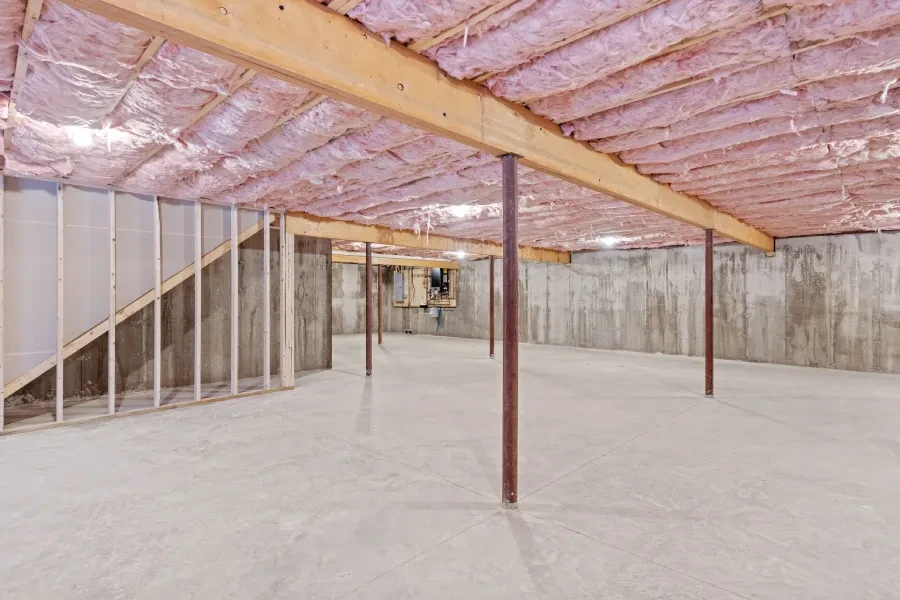
Before working on crawl space insulation, take time to check the condition of the area. A crawl space is often dark, damp, and tight. Safety comes first.
- A strong flashlight or headlamp
- Gloves and a mask
- A moisture meter if possible
- Basic tools for removing old material
- The right insulation type for your home
You should also check for signs of pests, standing water, or damaged wood. If you find major issues, repairs should happen before adding insulation.
Step-by-Step Process to Improve Air Quality
Here is a basic outline of how crawl space insulation helps clean up indoor air:
- Seal air leaks. Close gaps around pipes, vents, and cracks in the foundation. This limits outside air and pollutants from getting inside.
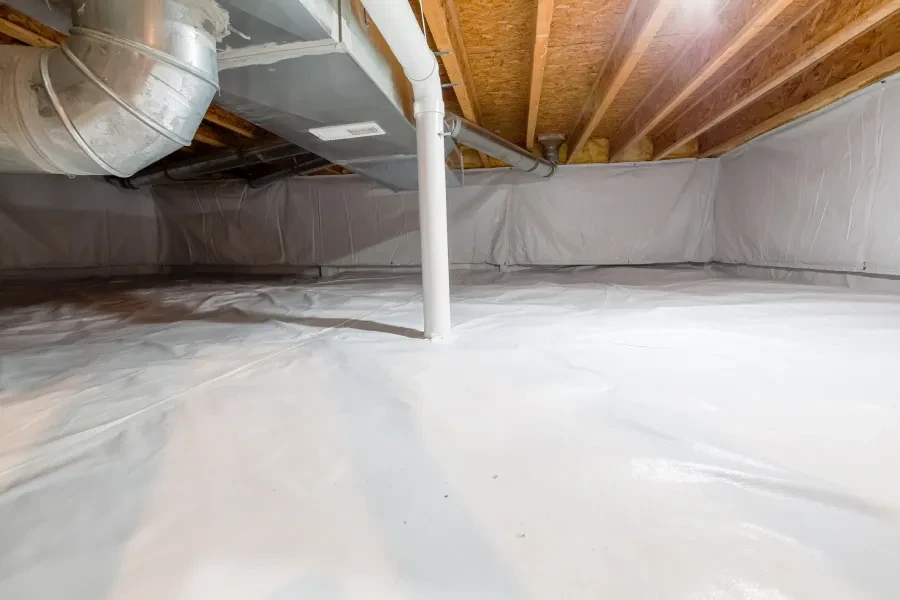
- Control moisture. Install a vapor barrier on the ground to stop ground moisture from rising.
- Remove old, damaged insulation. Wet or moldy insulation can spread spores through the home.
- Install new insulation. Place insulation along the crawl space walls or under the floor, based on the design.
- Check ventilation or encapsulation. Some homes benefit from sealing the space fully, while others use controlled ventilation.
Each of these steps reduces the chance of mold growth and dust buildup. That leads to cleaner air upstairs.
Common Mistakes to Avoid
Many homeowners try quick fixes that do not solve the real problem. Here are mistakes that can hurt air quality instead of helping:
- Installing insulation without fixing moisture issues first
- Leaving gaps between insulation panels
- Blocking vents without a full plan
- Using the wrong insulation material for damp areas
- Ignoring mold or mildew smells
If insulation gets wet, it loses its ability to protect your home. Wet material can also become a breeding ground for mold. That mold spores can travel into bedrooms and living rooms.
How It Directly Affects the Air Inside Your Home
Up to half the air in your home can come from the crawl space. This is often called the stack effect. Warm air rises, pulling air from below with it. If the crawl space has mold, dust, or high humidity, those particles ride along.
Proper crawl space insulation slows this airflow. It keeps the temperature more stable and lowers humidity. Less moisture means less mold. Less mold means fewer airborne spores. That can reduce coughing, sneezing, and allergy symptoms.
Insulation also helps stop pests from nesting in soft, exposed materials. Droppings and debris from pests can also harm indoor air.
When to Call a Professional
Some crawl spaces are simple. Others are complex and risky. You may want expert help if:
- You see visible mold growth
- There is standing water
- The space smells strongly musty
- Wood beams show rot
- You are unsure which insulation type to use
Professionals can test moisture levels and check the air quality. They can also suggest whether full encapsulation is better than basic insulation. A trained team will seal gaps tightly and install materials the right way.
Final Recommendation and Next Steps
If your home feels damp or smells musty, the crawl space may be the source. Upgrading crawl space insulation can make a clear difference in comfort and health. Regular inspections help catch problems early. Clean, dry insulation supports better air, lower energy bills, and a more comfortable living space all year long.
Get Help Improving the Air in Your Home
If you live in Elgin, IL and want cleaner indoor air, crawl space insulation may be the missing piece. At Energy Plus Insulation, we inspect crawl spaces, fix moisture problems, and install high-quality insulation the right way. Call us at (847) 250-2220 to schedule an inspection and let us help protect your home and your family’s health.