What Happens During a Professional Install and Why It Matters
The attic insulation installation process is a step-by-step job that starts with inspection and prep, then moves to air sealing, material placement, and a final check. Each step helps your home stay warmer in winter and cooler in summer. When done the right way, attic insulation improves comfort, lowers energy bills, and supports the rest of your home improvement work.
Quick Overview of the Installation Process
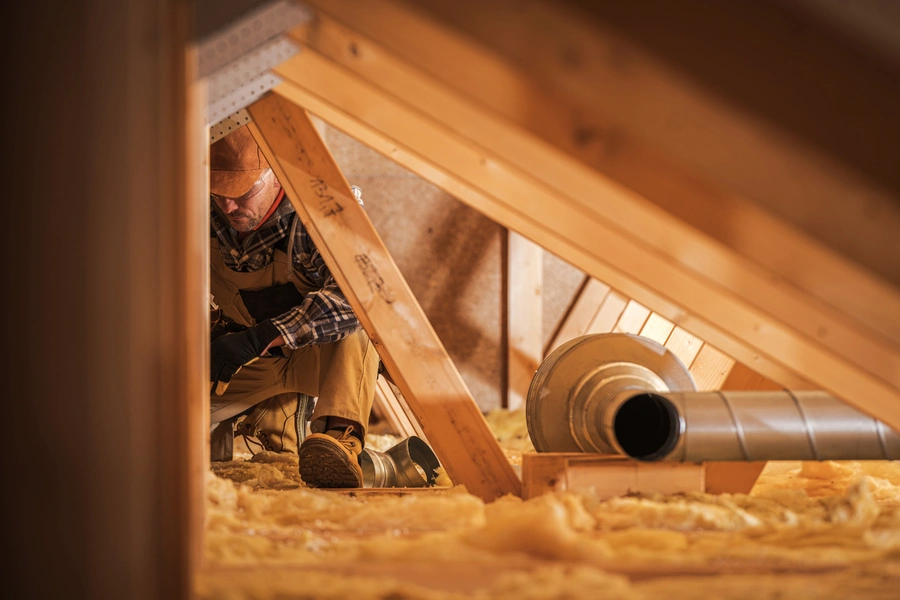
Attic insulation is not just about laying down fluffy material. It starts with checking the space for problems. Then the attic is cleaned and sealed. After that, the insulation is installed at the right depth. A final inspection makes sure coverage is even and vents are clear.
This process helps stop heat loss, control moisture, and reduce strain on your HVAC system.
What You Need Before Starting
Before any material goes into the attic, a few things must happen first.
- A full attic inspection for mold, roof leaks, or pests
- Removal of old or damaged insulation if needed
- Sealing gaps around vents, wires, and pipes
- Checking that soffit and ridge vents are open
- Measuring the attic space to calculate material needs
Skipping these steps can lead to poor results. For example, if air leaks are not sealed, warm air will still escape even with thick insulation.
Step-by-Step Installation Process
Most professional attic insulation jobs follow the same basic steps.
- Inspection and prep: The crew checks for moisture issues, roof damage, and proper ventilation.
- Old insulation removal: If the existing material is wet, moldy, or compressed, it is removed using special vacuums.
- Air sealing: Gaps and cracks are sealed with foam or caulk. This step helps stop heat movement.
- Baffle installation: Vent baffles are installed near eaves to keep airflow moving properly.
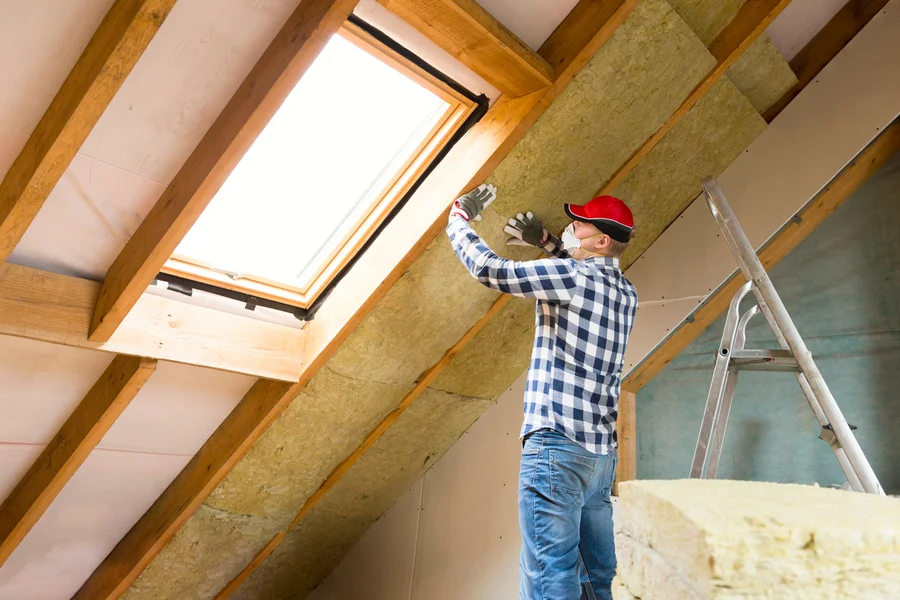
- Installing the new material: Blown-in or batt insulation is placed evenly across the attic floor.
- Leveling and depth check: The insulation is measured to meet the recommended R-value.
- Final walkthrough: The team checks coverage and clears access paths if needed.
Blown-in insulation is common because it fills gaps well. Batt insulation is often used in open attic spaces with standard joist spacing.
Common Mistakes to Avoid
Many homeowners try to cut corners. That can lead to higher energy bills later.
- Blocking attic vents with insulation
- Skipping air sealing before install
- Not wearing proper safety gear
- Using the wrong R-value for the climate
- Leaving gaps around attic hatches
For example, if insulation covers soffit vents, airflow stops. That can lead to moisture buildup and roof damage. A balanced attic needs both insulation and ventilation working together.
When to Call a Professional
Some homeowners add small amounts of insulation on their own. But full attic insulation projects often require trained installers.
You should call a professional if:
- Your attic has mold or water damage
- You see signs of rodents or pests
- Your home feels uneven in temperature
- Your energy bills keep rising
- You do not know the current R-value
A professional crew has the tools to safely remove old material and install new insulation evenly. They also understand local building codes and ventilation needs.
Why Proper Installation Makes a Big Difference
Proper attic insulation helps your entire home perform better. It keeps warm air inside during winter and blocks hot air during summer. It can also reduce noise from outside and ease the workload on heating and cooling systems.
When insulation is installed unevenly, thin spots allow air movement. That weakens the benefits. Even coverage and correct depth are key.
Good installation also supports other upgrades, such as new roofing or upgraded HVAC systems. Without solid insulation, those improvements may not perform as expected.
Ready to Improve Your Attic Performance?
If your attic feels drafty or your energy bills are higher than they should be, it may be time for a closer look. In Elgin, IL, changing seasons can put stress on your home’s insulation. At Energy Plus Insulation, we handle the full attic insulation process from inspection to final walkthrough. We focus on clean work, proper airflow, and even coverage so your home stays comfortable year-round. Call us today at (847) 250-2220 to schedule an evaluation or ask questions about your attic space.